


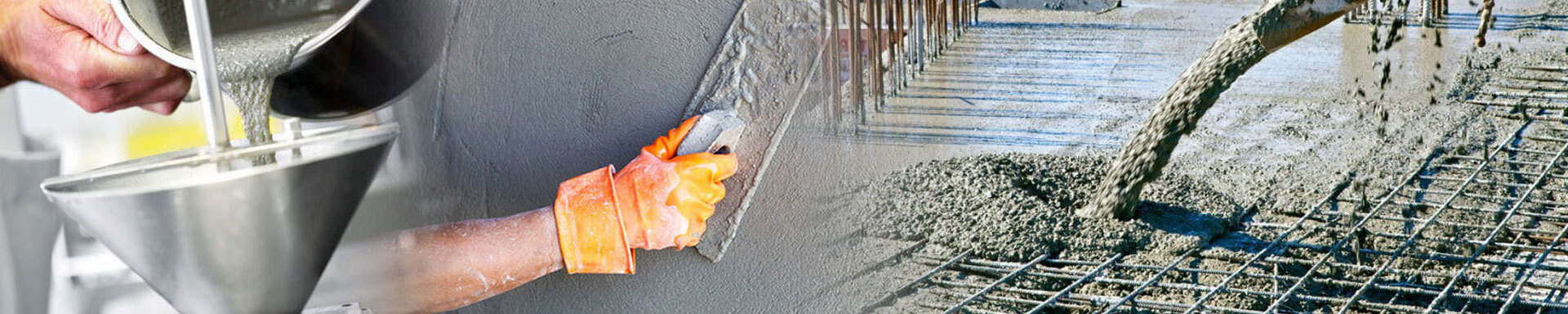
您的水泥地面出现灰尘、污渍和磨损。以下是为什么硅酸锂是唯一永久性解决方案的原因。
2026-05-11 17:15Most concrete floor problems get treated with coatings. Epoxy, polyurethane, acrylic sealer — layer after layer applied over a surface that was never properly hardened in the first place. The coatings wear through. The floor dusts again. Another contractor is called, another coating is specified, and the cycle repeats every three to five years at significant cost.
If this is your situation, the coating is not the problem. The surface is. And Lithium Silicate is the solution that addresses it permanently — from the inside out, not the surface down.
Why Concrete Floors Fail the Way They Do
Every concrete floor has a weak zone at the top. During casting and finishing, excess water migrates upward and concentrates in the surface layer, producing a porous, calcium hydroxide-rich zone called laitance. This zone is softer, more absorbent, and more chemically reactive than the concrete below it. Under forklift traffic, foot traffic, or even sustained pedestrian loading, it abrades progressively — producing the fine grey dust that contaminates products, clogs equipment, and accumulates on surfaces no matter how frequently the floor is cleaned.
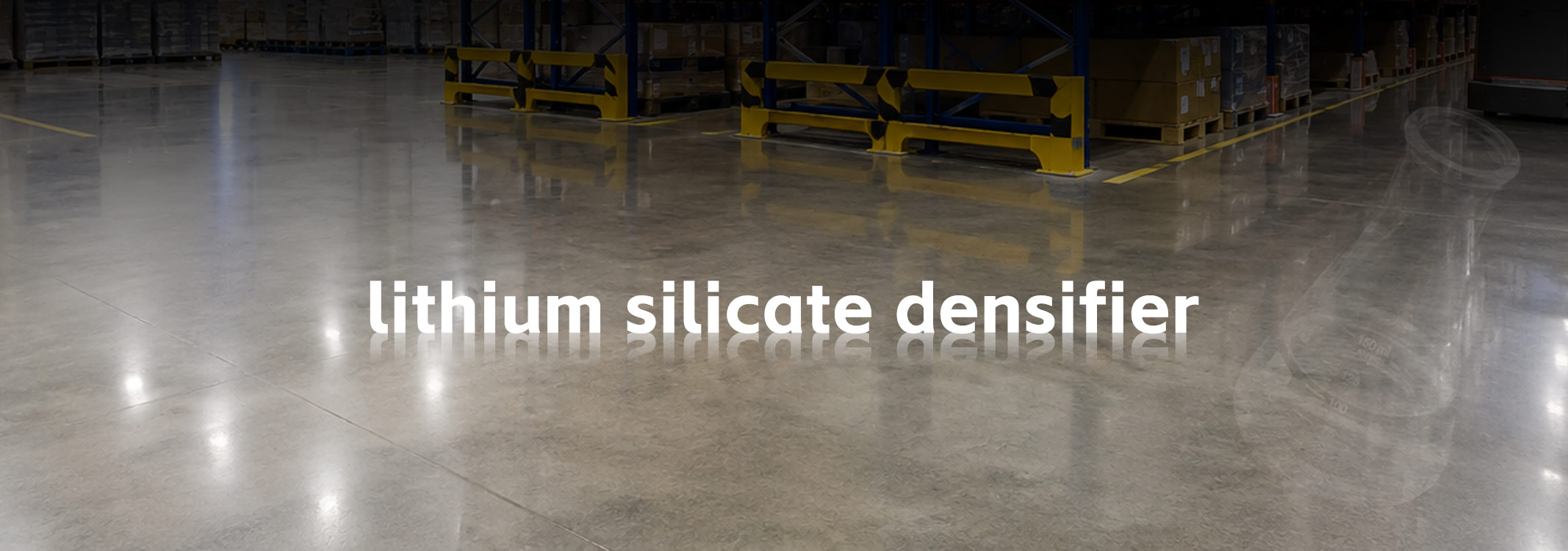
Coatings applied over laitance are bonding to the weakest layer of the floor. When the laitance abrades from below, the coating delaminate from above. This is why coated floors fail from the edges inward and at wheel track lines first — exactly where shear stress between the coating and the weak laitance is highest.
Lithium silicate densifier works differently. It penetrates into the laitance zone and reacts chemically with the calcium hydroxide present there, producing additional calcium silicate hydrate — C-S-H gel — within the pore structure. The pores fill. The weak zone hardens. The surface that was causing the problem is converted into a dense, abrasion-resistant layer that is chemically integrated with the concrete below it.
What Users Actually Complain About — and What Lithium Silicate Fixes
Dusting that cleaning cannot solve. If you are sweeping or vacuuming daily and the dust returns within hours, the source is the concrete surface itself abrading under traffic. No cleaning regime fixes this. Lithium silicate concrete floor hardener treatment eliminates the source — after treatment, surfaces that previously generated visible dust under light foot traffic show no measurable particle generation under sustained forklift loading.
Staining that penetrates despite regular sealing. High surface porosity means oils, chemicals, and water penetrate faster than surface sealers can block them. Colloidal lithium silicate solution reduces surface water absorption by 70 to 85% — not by blocking pores from the outside but by filling them from within. The treated surface resists staining because there is no longer a pore network available for contaminants to enter.
Coating failures that keep repeating. If you have recoated the same floor twice in five years, the coating specification is not the problem. A lithium silicate densifier treatment applied before any subsequent coating provides the dense, high-strength substrate that coatings require for long-term adhesion — pull-off adhesion values on lithium silicate treated surfaces typically exceed 2.0 MPa, compared to 0.6 to 1.0 MPa on untreated laitance.
Maintenance costs that keep climbing. Forklift wheel bearing wear, increased cleaning frequency, product contamination from floor dust — these are the operational costs that accumulate invisibly until someone calculates them. Facilities that have applied lithium silicate warehouse floor treatment consistently report maintenance cost reductions of 60 to 80% in the first year post-treatment.
Technical Parameters
| Parameter | Specification |
|---|---|
| Active Component | Lithium silicate (Li₂SiO₃) |
| Appearance | Clear to slightly opalescent liquid |
| Solid Content | 15–25% |
| SiO₂/Li₂O Molar Ratio | 4.0–5.0 |
| Penetration Depth | 3–6 mm |
| pH | 11–12 |
| Coverage Rate | 5–15 m²/L |
| Shelf Life | 12 months (sealed, above 5°C) |
Performance Data
| Performance Indicator | Untreated | Sodium Silicate | Lithium Silicate Densifier |
|---|---|---|---|
| Surface Hardness Increase | — | +15–20% | +40–60% |
| Water Absorption Reduction | — | 40–55% | 70–85% |
| Penetration Depth | — | 1–2 mm | 3–6 mm |
| Risk of Surface Haze | — | High | Low |
| Durability | — | 2–3 years | Permanent |
Why Colloidal Lithium Silicate Outperforms Sodium and Potassium Alternatives
The particle size of colloidal lithium silicate solution is significantly smaller than sodium or potassium silicate — small enough to penetrate the fine capillary network of the concrete surface before the reaction occurs. Sodium silicate reacts near the surface, producing a shallow hardened zone that wears through under sustained heavy loading. Lithium silicate reacts deeper, producing a thicker hardened zone that remains effective long after surface wear would have removed a sodium silicate treatment.
For industrial and logistics floors under continuous heavy traffic, this depth difference is the reason lithium silicate densifier delivers permanent results where sodium silicate produces temporary improvement.
What We Provide
Every shipment of our lithium silicate densifier is accompanied by a full COA confirming solid content, SiO₂/Li₂O ratio, pH, and density. We provide coverage rate guidance based on your specific concrete porosity and application conditions, and technical support for application on both new and existing concrete floors.
If your floor is dusting, staining, or failing coatings repeatedly, the surface is the problem. Lithium silicate is the permanent fix.